Market guide
Which Foshan market to visit
How the district is laid out, how the main centres differ, and which ones are worth your days.
Read the guide
Foshan, Guangdong, China
Foshan holds more furniture under one roof than a week of walking can cover. This site sets out which market suits which order, what a showroom visit really involves, and how to walk it in a day instead of three.
Plan your trip See how a day works
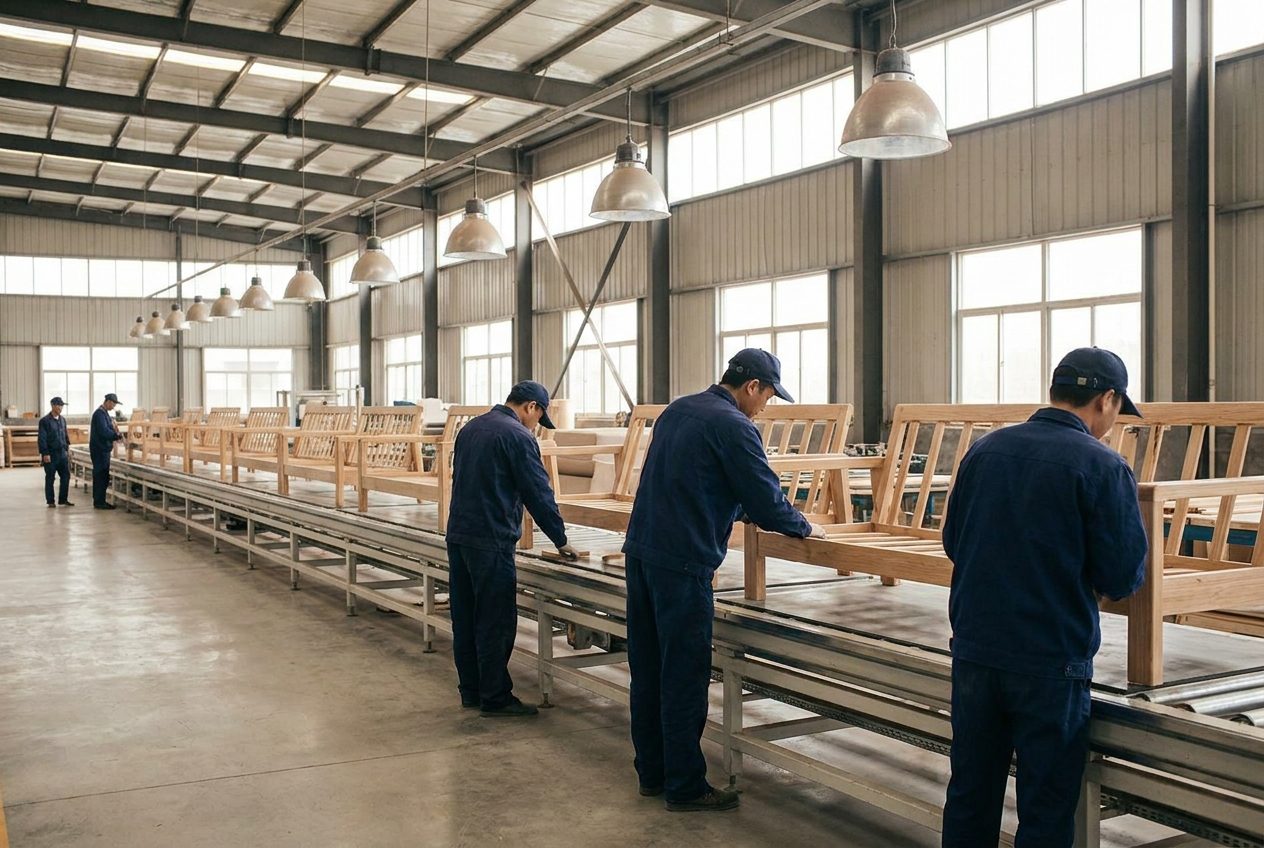
Foshan sits immediately west of Guangzhou, in Guangdong province, and it grew into a furniture centre the way most industrial towns grow into anything: one workshop at a time, until the suppliers of the suppliers moved in too. Today the district of Shunde, and the town of Lecong in particular, is one of the largest furniture trading areas anywhere. Showrooms line the road for kilometre after kilometre, and behind them, mostly around Longjiang, sit the factories that fill them.
That concentration is the whole point. A buyer can compare a hundred sofa frames in an afternoon without leaving one building, then drive twenty minutes and watch a similar frame being assembled. Very few places in the world let you do both in the same day.
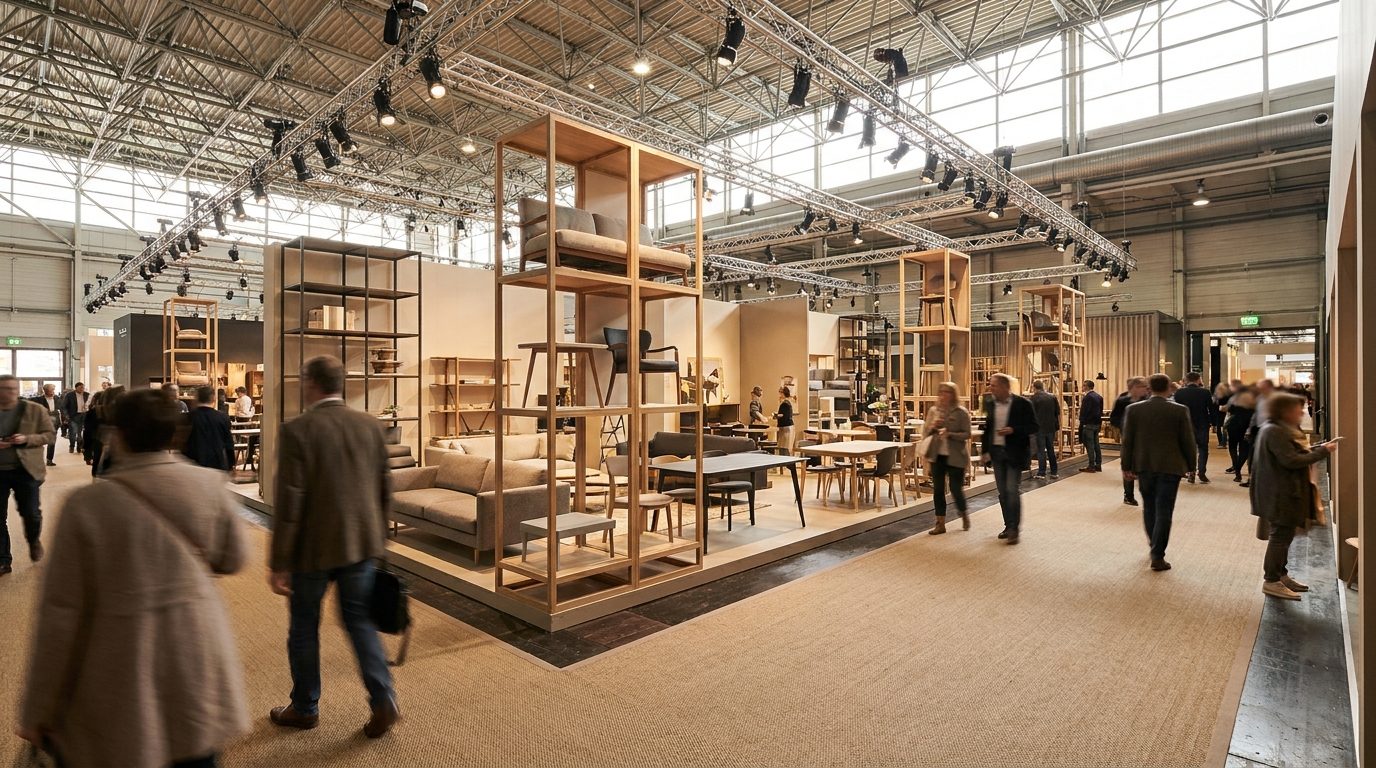
The most common mistake is treating Foshan as one enormous shop. It is not. Each centre has grown its own character and its own kind of tenant. Some are built for the top of the market and are worth visiting even if you never buy there, because an hour inside recalibrates your eye. Others are the working halls where the volume actually moves. A few are so specialised that walking them without the right category on your list is an afternoon gone.
The market guides on this site take them one at a time and say plainly what each one holds and who it repays.
A good buying trip is quiet and slightly boring. You arrive with a written list, you see the top of the range early so you know what good execution looks like, you spend the middle of the day in the halls where your price level actually lives, and you finish with photographs, model codes and prices in one place. Nobody is rushing you towards a showroom because of an arrangement you cannot see.
The buyers who come away happiest tend to have two things in common. They knew what they wanted before they landed, and they had someone with them who already knew which door led where. That second part is worth more than it sounds. The showroom that belongs to a factory and the showroom that belongs to a trading company look identical from the aisle, and telling them apart is the difference between a price you can hold and a price that moves after the deposit.
It would be a shame to fly in, see an aisle and fly out. Shunde has a serious reputation for food, enough that it is recognised by UNESCO as a Creative City of Gastronomy, and the local cooking is worth planning an evening around. Foshan is also the home of Wing Chun, and the Ancestral Temple in the old town is one of the finest surviving Ming era temple complexes in the region. The city guides on this site cover that side too, because a buying trip that includes one good dinner and one quiet morning is a better trip.
Each centre has its own character and its own buyer. Here is what each one holds and who it repays walking.
Market guide
How the district is laid out, how the main centres differ, and which ones are worth your days.
Read the guide
Market guide
What the Lecong strip actually contains, how buyers work it, and what to know before a first visit.
Read the guide
Market guide
What the Louvre centre holds, who it suits, and why it is worth an hour even if you buy elsewhere.
Read the guide
Market guide
How the north and south sides differ, what each is strong on, and which suits your order.
Read the guide
Market guide
The centre for office and commercial furniture, and how to work it efficiently.
Read the guide
Market guide
How production and retail relate in Foshan, and what a visit to the making side is worth.
Read the guide
Before anyone gets in a car it is clear what you are hunting: category, price level, volume. Ten written lines save half a day, because they rule out entire floors you never needed to walk.
The first stop at a high end centre is for calibration, not for buying. An hour at the top of the market teaches your eye what good execution looks like, and after that you can tell it from something that merely resembles it.
Next come the centres where the real buying happens, and with them the conversation about quantities, lead times, and whether the showroom belongs to a factory or to a trading company.
Photographs, model codes and prices go into one list. By dinner it is clear what adds up to a container and what has to be swapped out.
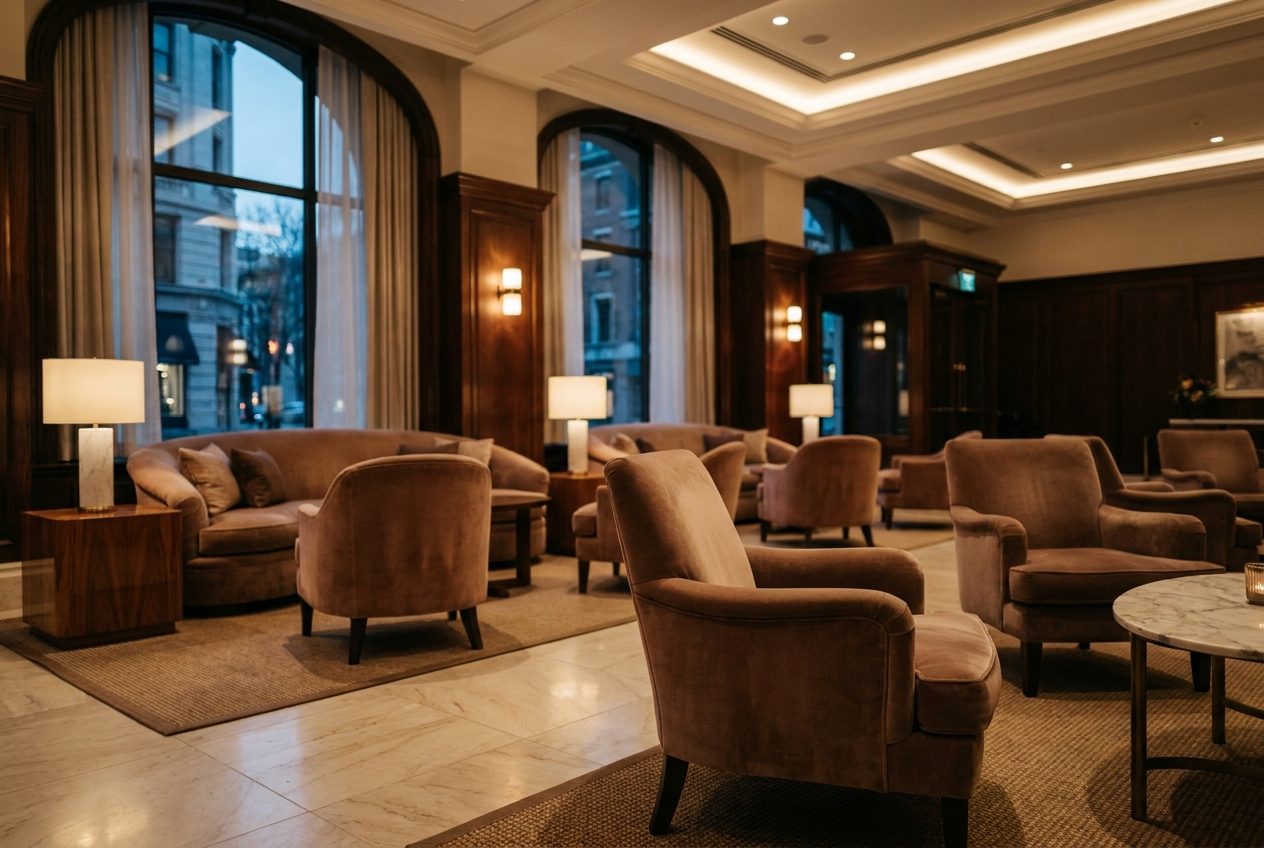
Filling a container, kitting out a hotel and picking pieces for a design scheme are different jobs. The route is put together around the job.
Trip
One full day across the Foshan furniture centres, in an order chosen so each stop makes the next easier to judge.
Read the guide
Trip
Markets on day one, factories on day two, and a third day to settle the shortlist before you fly.
Read the guide
Trip
What a workshop visit around Longjiang shows that a showroom cannot, and what to look at while you are there.
Read the guide
Trip
How the Guangzhou fair season works and how to split your days between the halls and the Foshan markets.
Read the guide
Trip
Mixing suppliers, thinking in cubic metres rather than pieces, and the details that decide whether it arrives clean.
Read the guide
Trip
Matching a specification, sampling before volume, and keeping a hundred rooms consistent.
Read the guide
Trip
Finding pieces that fit a scheme, working with finishes and fabrics, and buying small quantities well.
Read the guide
Practical guide
Airports, high speed rail, the metro, and how to move around once you arrive.
Read the guide
Practical guide
Staying near Lecong versus staying in the city, and what actually matters over three working days.
Read the guide
Practical guide
What drives prices in Foshan, why the same piece differs between showrooms, and how to compare quotes properly.
Read the guide
Practical guide
Frames, foam, finishes, hardware and packing, plus the checks that catch problems while they are still fixable.
Read the guide
Practical guide
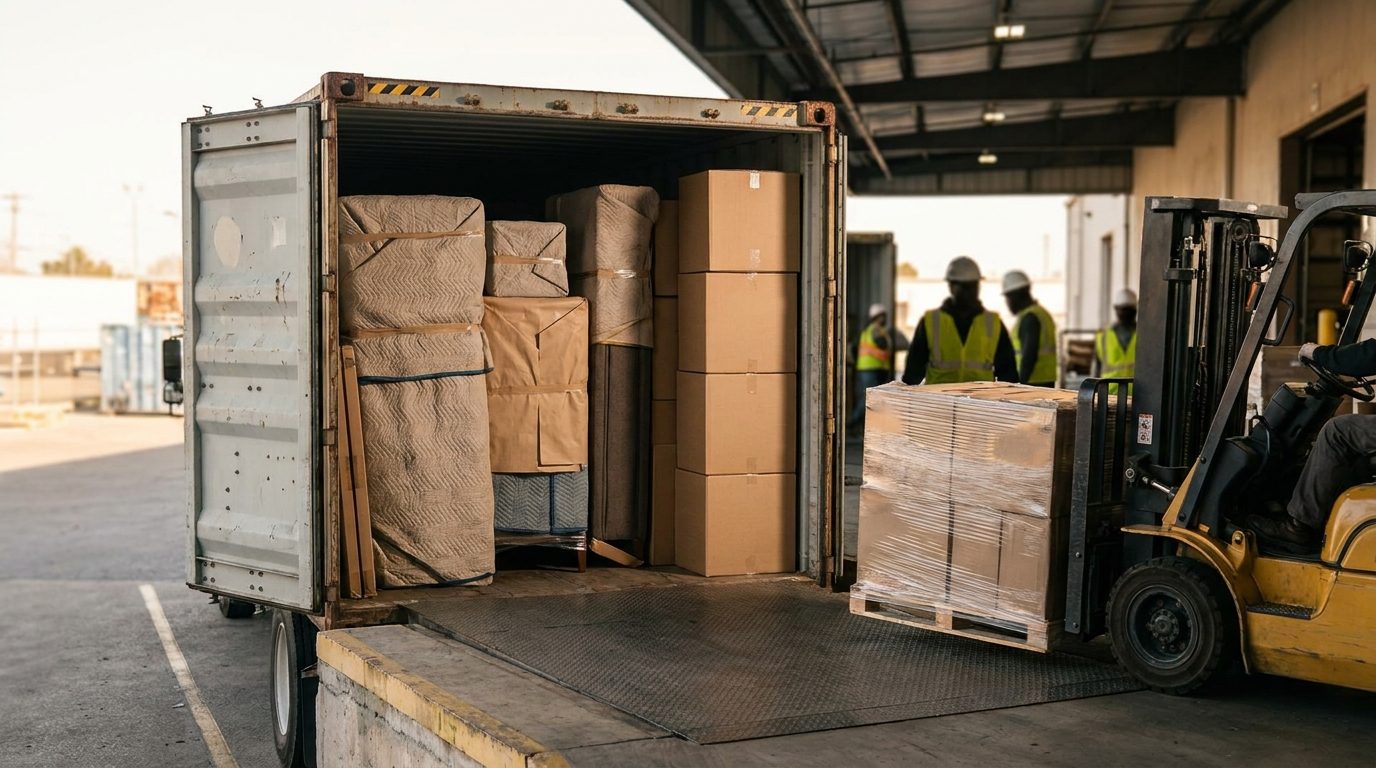
Consolidation, container options, packing, documents and the timing decisions that make a shipment straightforward.
Read the guide
What each of the main Lecong centres is strongest at, and which kind of buyer should spend a day there.
Read the article
The errors that cost first time buyers the most time and money, and the habits that prevent each one.
Read the article
Ten short questions that turn a showroom visit into information you can actually compare.
Read the article
For most buyers, yes, because the density is different. Guangzhou is where the big fairs happen and where a lot of trading offices sit. Foshan is where the showrooms and the factories are, in the same district, often on the same road. If your trip is about seeing product and meeting the people who make it, Foshan is the shorter walk.
One full day covers a focused category, for example sofas or dining sets, if you arrive with a written list. Three days is the comfortable minimum if you want to compare several centres, visit a factory and still have an evening to sit down with the numbers. Two days is possible but tends to leave the last showroom rushed.
Not to walk the malls. Plenty of showrooms in the larger centres deal with foreign buyers every week and can handle a price and a lead time in English. The part where language matters is the detail: frame material, foam density, finish, packing and what happens if something arrives damaged. That conversation goes much better with someone alongside you who can hold it in Chinese.
March is lively because the large international furniture fair runs in Guangzhou then, and many Foshan showrooms refresh their displays around the same time. The two Canton Fair weeks, in late April and late October, also pull buyers into the region. The trade off is that hotels fill up and the markets are busier. Quieter months give you more attention from showroom staff and a calmer negotiation. Confirm the exact dates for the year you travel, because they move.
Send a few lines about the goods and your dates. What comes back is a short read on which markets suit that order and how long walking them actually takes.